Tanzania’s National Parks: Choosing the Perfect Safari
From the endless plains of the Serengeti to the remote wilderness of Ruaha and the pristine shores of Lake Tanganyika, Tanzania is home to some of Africa’s most spectacular wildlife destinations. Whether you’re dreaming of witnessing the Great Wildebeest Migration, tracking chimpanzees through ancient forests or enjoying an exclusive safari far from the crowds, each national park offers a unique experience.
Northern or Southern Circuit?
Tanzania’s safari experiences are divided into two distinct regions. The Northern Circuit is home to iconic parks such as the Serengeti, Tarangire, Lake Manyara and the Ngorongoro Conservation Area, offering exceptional wildlife sightings, excellent accessibility and classic safari experiences. The Southern Circuit, featuring Nyerere, Ruaha, Katavi and the Mahale Mountains, is wilder, more remote and perfect for travellers seeking exclusivity, untouched landscapes and extraordinary adventures.
Northern Circuit Highlights
Serengeti National Park
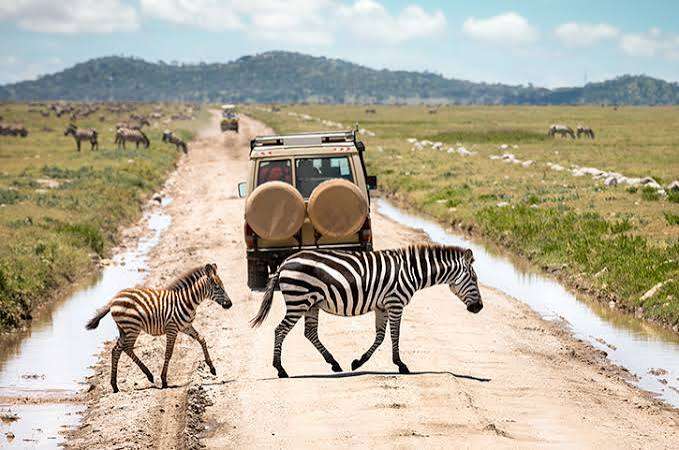
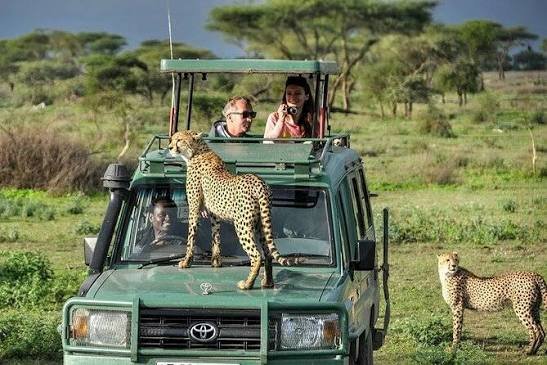
The Serengeti is Tanzania’s most celebrated safari destination, renowned for the Great Wildebeest Migration and outstanding year-round wildlife viewing. Vast open plains provide a stage for dramatic encounters with lions, leopards, cheetahs, elephants and countless other species. Visit between July and September for the famous Mara River crossings or January to March for the spectacular wildebeest calving season.
Lake Manyara National Park
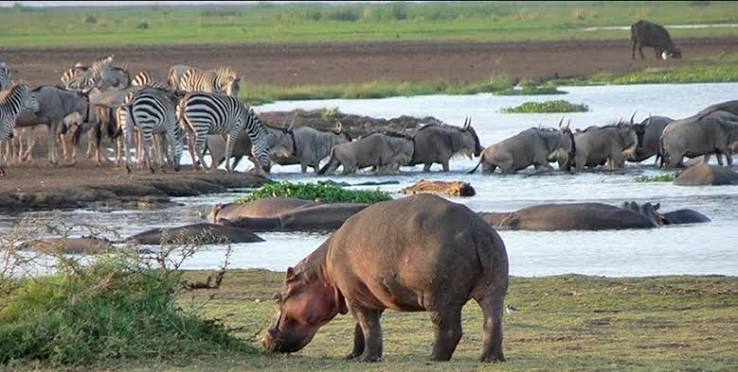
Nestled beneath the Great Rift Valley escarpment, Lake Manyara combines lush forests, shimmering lakes and diverse wildlife within a compact reserve. The park is famous for its elusive tree-climbing lions, large troops of baboons and vibrant birdlife, including thousands of flamingos during the wet season.
Tarangire National Park
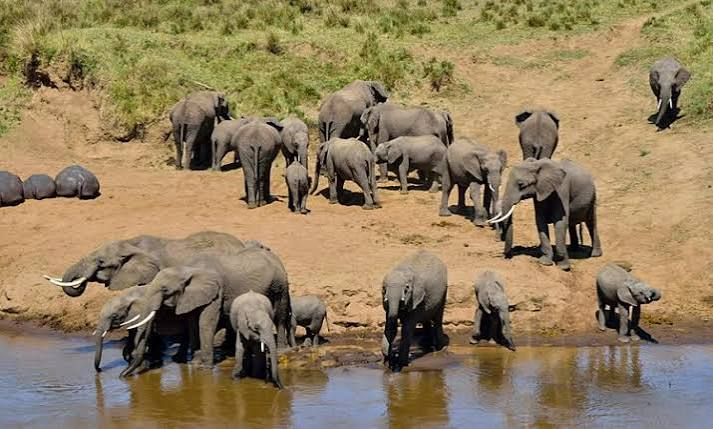
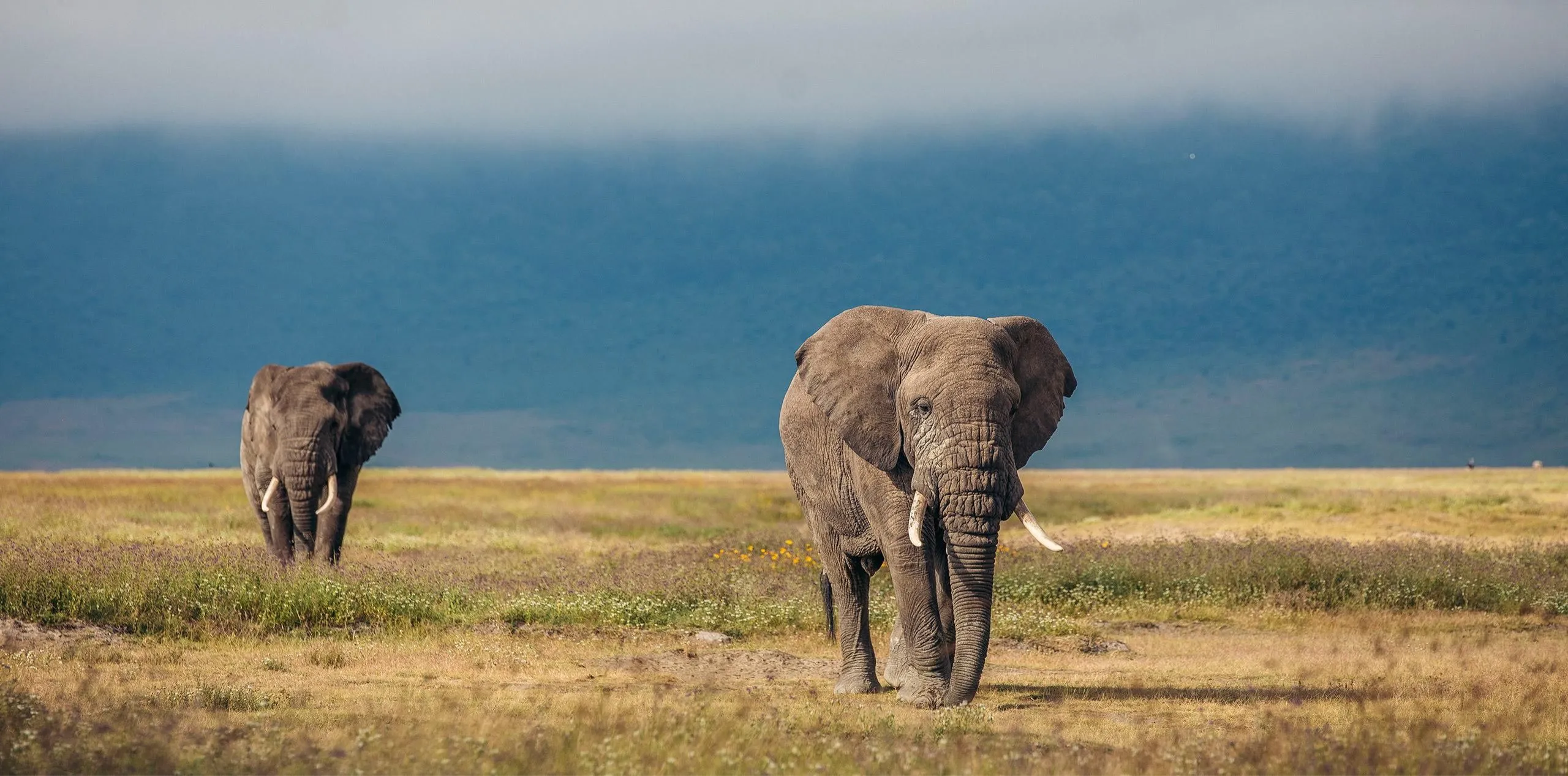
Known for its ancient baobab trees and impressive elephant herds, Tarangire offers one of northern Tanzania’s most rewarding safari experiences. During the dry season, wildlife gathers around the Tarangire River, creating exceptional game viewing with fewer visitors than many neighbouring parks.
Southern Circuit Highlights
Nyerere National Park
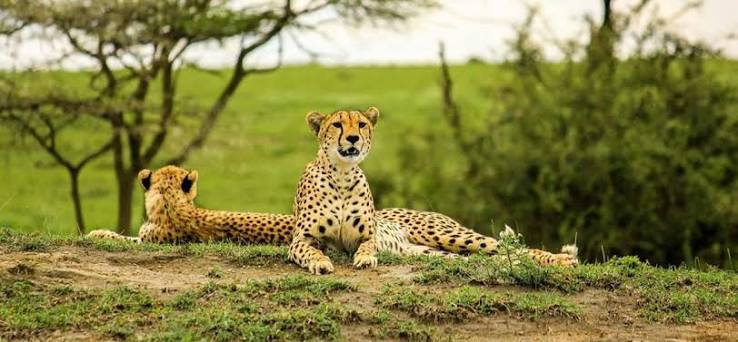
Africa’s largest protected wildlife reserve offers an authentic safari away from the crowds. Explore vast landscapes on traditional game drives or discover the Rufiji River by boat, where hippos, crocodiles, elephants and the endangered African wild dog are frequently spotted.
Mahale Mountains National Park
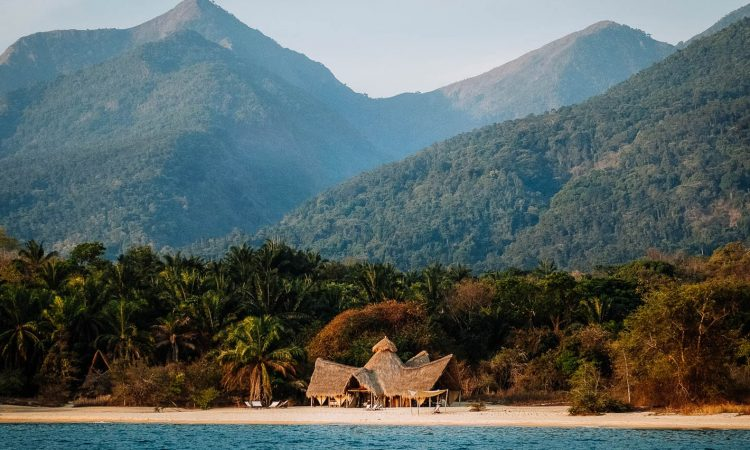
Bordering the crystal-clear waters of Lake Tanganyika, Mahale Mountains National Park offers one of Africa’s most extraordinary wildlife experiences—tracking wild chimpanzees through lush tropical forests. The park also offers kayaking, swimming and opportunities to experience local village life in an incredibly remote setting.
Ruaha National Park
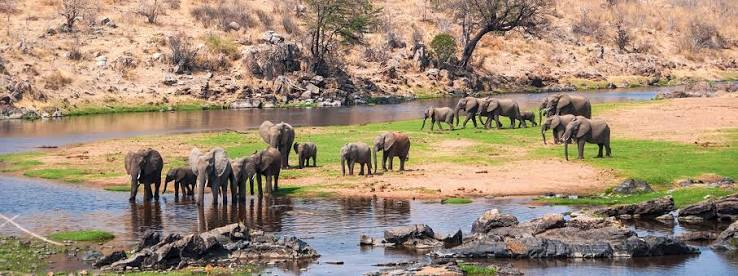
Ruaha remains one of Tanzania’s best-kept safari secrets. Its dramatic landscapes support large populations of elephants, buffalo, lions, leopards, giraffes and African wild dogs, making it an exceptional destination for travellers seeking an uncrowded and immersive safari.
Katavi National Park
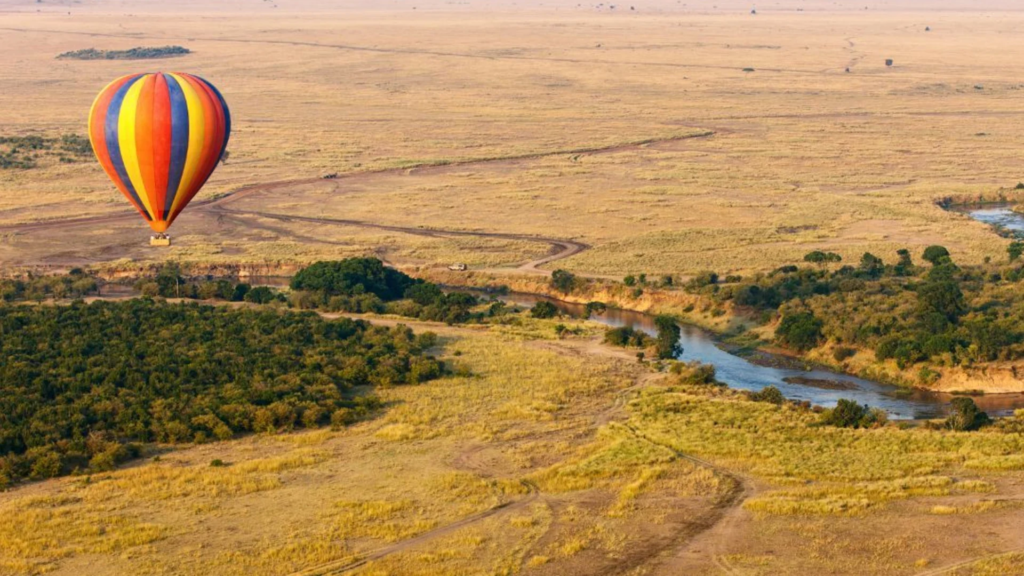
Remote, wild and largely untouched, Katavi is ideal for seasoned safari enthusiasts. During the dry season, enormous pods of hippos gather in shrinking waterholes, while vast buffalo herds and powerful predators create unforgettable wildlife encounters.
When to Visit
The dry season (June to October) offers the best wildlife viewing as animals congregate around water sources. November to May brings lush green landscapes, exceptional birdwatching and the wildebeest calving season in the southern Serengeti. Every season reveals a different side of Tanzania, making it a destination that rewards visitors throughout the year.
Whether you choose the legendary parks of the north or the untamed wilderness of the south, Tanzania promises extraordinary wildlife encounters, breathtaking landscapes and safari experiences unlike anywhere else in Africa.